

Hacker attacks are evolving quickly, shifting from isolated breaches to complex intrusions across systems and identities. Implementing Zero Trust Architecture (ZTA) and Multi-Factor Authentication (MFA) is now essential for robust cybersecurity.”
From the perspective of a cybersecurity service provider, this article summarizes the ten most common attack techniques, along with actionable defense recommendations, and explains the concrete roles and best practices of Zero Trust and MFA in different attack scenarios.

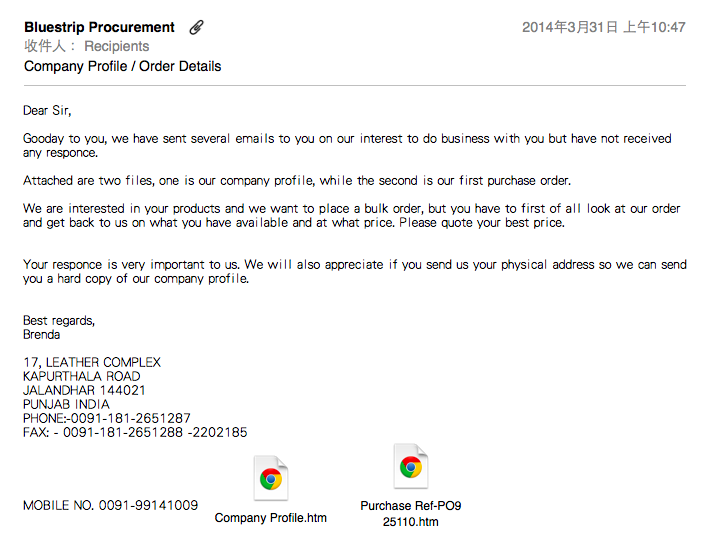
1. Phishing / Email Phishing
Overview:
Attackers impersonate trusted sources (colleagues, banks, vendors) to send emails or text messages containing malicious links or attachments that steal credentials or install malware.
Defense Recommendations:
- Conduct regular phishing simulations and cybersecurity awareness training to help employees recognize suspicious emails.
- Deploy advanced anti-spam and sandbox scanning at the email gateway.
- Enforce email authentication mechanisms such as DMARC, SPF, and DKIM.
- Role of Zero Trust / MFA: Even if credentials are compromised, enabling MFA (especially hardware keys or authenticator apps) can prevent account takeover. Zero Trust evaluates login context such as geolocation and device posture to automatically apply stricter authentication or block abnormal attempts.
2. Credential Stuffing & Password Reuse
Overview:
Attackers leverage leaked username and password pairs from previous breaches to log in to other services.
Defense Recommendations:
- Require unique, complex passwords and encourage password manager use.
- Implement login rate limits and IP blocking for abnormal login attempts.
- Role of Zero Trust / MFA: MFA is a highly effective defense against credential stuffing. Zero Trust enforces step-up authentication based on device trust and session risk, blocking password-only breaches.
3. Spear Phishing / Business Email Compromise (BEC)
Overview:
Targeted social engineering aimed at executives or finance personnel (e.g., impersonating a CEO to request wire transfers).
Defense Recommendations:
- Enforce strict verification for high-risk operations such as dual authorization, and phone confirmation.
- Provide targeted training and simulated attack exercises for executives.
- Role of Zero Trust / MFA: Enforce MFA (such as hardware keys, FIDO2) for privileged accounts. When unusual logins or sensitive operations occur, Zero Trust triggers re-authentication or session suspension.
4. Ransomware
Overview:
Hackers infiltrate networks, move laterally, and encrypt critical data to demand ransom.
Defense Recommendations:
- Implement layered backups (offline + snapshots) and test restoration regularly.
- Implement network segmentation and enforce the principle of least privilege.
- Role of Zero Trust / MFA: Zero Trust restricts lateral movement and access scope. When combined with device posture checks (blocking unpatched or unhealthy endpoints), it minimizes spread. MFA prevents attackers from escalating privileges with stolen credentials.
5. Man-in-the-Middle (MITM) & Session Hijacking
Overview:
Intercepting or falsifying communication data between parties to steal information or inject malicious content.
Defense Recommendations:
- Enforce sitewide TLS and manage certificates using modern, secure protocols.
- Apply mutual TLS (mTLS) and API gateway control for internal systems.
- Role of Zero Trust / MFA: Zero Trust promotes network micro-segmentation and mutual authentication. Abnormal network activity or certificate issues trigger re-validation or connection denial.
6. Exploiting Weak Passwords or Unpatched Systems
Overview:
Attackers exploit known vulnerabilities or default passwords in internal systems or IoT devices.
Defense Recommendations:
- Automate vulnerability scanning and asset inventory.
- Disable default accounts and enforce strong password policies combined with MFA.
- Role of Zero Trust / MFA: Zero Trust continuously evaluates device posture, flagging unpatched or non-compliant devices as untrusted and denying access. MFA adds an extra layer of protection to administrative interfaces.
7. Supply Chain Attacks
Overview:
Attackers compromise third-party software or services to infiltrate the enterprise, such as injecting malware into vendor updates.
Defense Recommendations:
- Conduct third-party risk assessments and require security SLAs in contracts.
- Enforce least privilege for third-party access and continuously monitor APIs and integrations.
- Role of Zero Trust / MFA: Zero Trust separates identity from access, dynamically authorizing third-party sessions. If a partner account is compromised, MFA and risk-based access controls mitigate potential damage.
8. Insider Threats
Overview:
Malicious or careless insiders misuse privileges to cause data leaks or system damage.
Defense Recommendations:
- Enforce least privilege, conduct regular access reviews, and implement UEBA monitoring.
- Establish clear procedures for offboarding and role changes.
- Role of Zero Trust / MFA: Zero Trust’s “never trust, always verify” principle facilitates continuous authorization and session monitoring. MFA enforces re-authentication for sensitive actions, reducing insider misuse risks.
9. API Abuse & Broken Object Level Authorization
Overview:
Public or poorly protected APIs become entry points for data leaks or privilege escalation.
Defense Recommendations:
- Implement strict authentication and authorization using OAuth, API Gateway, and rate limiting.
- Perform regular API scans and penetration tests.
- Role of Zero Trust / MFA: Zero Trust enforces dynamic authorization for each API call and integrates MFA for high-risk activities
10. Social Engineering & Phone Scams
Overview:
Manipulating employees into disclosing information or performing unsafe actions (e.g., impersonating IT staff).
Defense Recommendations:
- Establish verification protocols and dual-approval processes for sharing sensitive information.
- Conduct regular social engineering training and simulations.
- Role of Zero Trust / MFA: Zero Trust minimizes reliance on verbal approvals for critical operations by requiring multi-layer verification and maintaining audit trails. MFA mandates additional proof for sensitive actions.
Implementing Zero Trust & MFA in Practice
- Asset and Identity Inventory: Conduct a comprehensive asset and identity inventory covering all users, devices, applications, and data flows.
- Risk Segmentation: Segment risks by classifying assets according to sensitivity (e.g., HR and Finance require stricter controls) and applying micro-segmentation.
- Enforced MFA (Layered Policy): Enforce layered MFA policies: mandatory MFA for privileged and external logins, and adaptive MFA for general users based on behavioral risk.
- Device Posture Checks: Perform device posture checks to ensure only compliant devices (patched, encrypted, and protected) access sensitive resources.
- Monitoring & Behavioral Analytics: Integrate SIEM and UEBA solutions to detect anomalies and automatically trigger re-authentication or session suspension.
- Education & Process Integration: Translate security policies into actionable procedures, such as dual-approval for payments and standard operating procedures for third-party access.
Why Choose Lydsec Keypasco?
Secure and User-Friendly MFA & Zero Trust Solutions
Implementing Zero Trust and MFA is key to preventing account compromise and data breaches. Lydsec Keypasco provides solutions that combine patented, verifiable technology with international certifications — helping enterprises protect critical assets securely and efficiently.
- Cloud-Based Software MFA, Fast and Seamless Deployment
Our 100% software-based cloud MFA requires no additional hardware, enabling rapid rollout and an intuitive user experience. - Patented Two-Channel Technology for Stronger Account Protection
Utilizing device fingerprinting and location verification, Keypasco divides private keys between the server and mobile app, minimizing credential theft risk. - Global Recognition and Patented Innovation
With patents in 16 countries and deployments across 16 regions, Keypasco’s technology is internationally trusted. - Compliant with Zero Trust Authentication Standards
Certified by Taiwan’s National Institute of Cyber Security (NICS) for both Identity and Device Authentication, Keypasco helps enterprises achieve continuous and granular identity security.
Ready to enhance your organization’s security posture with Zero Trust and MFA?
Contact Keypasco’s expert team today to find the best-fit authentication and Zero Trust solution for your enterprise.